Equity in Music Education: A Personal Journey
Music has a unique power to connect people, inspire creativity, and foster community. However, not everyone has equal access to music education. My journey through the world of music has shown me the importance of equity in this field. I want to share my experiences and insights, hoping to inspire others to advocate for change.
Growing up, I was fortunate to have supportive parents who encouraged my love for music. They enrolled me in piano lessons at a young age. I remember the excitement of my first recital, the thrill of playing in front of an audience. However, I soon realized that not all my friends had the same opportunities. Some of them wanted to learn an instrument but could not afford lessons or instruments. This disparity sparked my interest in music education equity.
Understanding the Landscape of Music Education
Music education varies widely across different communities. In some areas, schools have robust music programs with experienced teachers and ample resources. In contrast, other schools struggle to provide even basic music education. This inconsistency raises important questions about access and opportunity.
The Role of Funding
Funding plays a crucial role in the quality of music education. Schools in wealthier neighborhoods often have more resources to invest in music programs. They can hire skilled teachers, purchase instruments, and provide students with performance opportunities. On the other hand, schools in low-income areas may lack these resources, leaving students without access to music education.
Wealthy Schools: More funding, better resources, and experienced teachers.
Low-Income Schools: Limited funding, fewer resources, and often inexperienced teachers.
This funding gap creates a cycle of inequity. Students in underfunded schools miss out on the benefits of music education, which can include improved academic performance, enhanced social skills, and increased self-esteem.
The Impact of Community Support
Community support can also influence music education. In some neighborhoods, local organizations and businesses step in to fill the gaps left by schools. They provide funding, instruments, and even free lessons. This support can make a significant difference for students who might otherwise miss out on music education.
For example, I volunteered with a local nonprofit that offered free music lessons to children in underserved communities. Seeing the joy on their faces as they learned to play instruments was incredibly rewarding. It reinforced my belief that everyone deserves access to music education, regardless of their background.
My Personal Experience with Music Education
As I continued my music journey, I became more aware of the inequities in music education. I attended a prestigious music camp one summer, where I met talented musicians from various backgrounds. While I was grateful for the experience, I couldn't help but notice that many of my peers had access to resources I had taken for granted.
The Power of Mentorship
During my time at the camp, I was fortunate to have a mentor who recognized my passion for music. She encouraged me to pursue my dreams and helped me navigate the challenges I faced. Her support was invaluable, and it made me realize the importance of mentorship in music education.
Mentorship can play a vital role in helping students overcome obstacles. A mentor can provide guidance, encouragement, and connections that open doors. I believe that every student should have access to a mentor who believes in their potential.
Advocating for Change
Inspired by my experiences, I became an advocate for equity in music education. I started by volunteering with local organizations that focused on providing music education to underserved communities. I also began speaking out about the importance of funding and support for music programs in schools.
Through my advocacy work, I learned that small actions can lead to significant change. Organizing fundraisers, writing letters to local officials, and raising awareness about the importance of music education can make a difference. Every effort counts, and together, we can create a more equitable music education landscape.
The Importance of Diversity in Music Education
Diversity is another critical aspect of equity in music education. Music is a universal language that reflects the rich tapestry of cultures around the world. However, many music programs focus primarily on Western classical music, leaving out diverse genres and traditions.
Expanding the Curriculum
To create a more inclusive music education experience, it is essential to expand the curriculum. This means incorporating a variety of musical styles, including jazz, hip-hop, folk, and world music. By exposing students to different genres, we can help them appreciate the diversity of music and its cultural significance.
Incorporate Diverse Genres: Jazz, hip-hop, folk, and world music.
Highlight Cultural Significance: Teach students about the history and context of different musical styles.
Expanding the curriculum not only enriches students' musical experiences but also fosters a sense of belonging. When students see their culture represented in the music they study, they are more likely to engage and connect with the material.
Celebrating Diverse Voices
In addition to expanding the curriculum, it is essential to celebrate diverse voices in music education. This means highlighting the contributions of musicians from various backgrounds and ensuring that students have access to diverse role models.
For example, inviting guest artists from different genres to speak and perform can inspire students. It shows them that success in music comes in many forms and that their unique backgrounds can contribute to the music world.
Building a Supportive Community
Creating equity in music education requires a collective effort. It is essential to build a supportive community that advocates for change. This community can include teachers, parents, students, and local organizations.
Collaborating with Local Organizations
Partnering with local organizations can amplify efforts to promote equity in music education. These organizations often have resources, expertise, and connections that can help schools enhance their music programs. By working together, we can create a more significant impact.
Identify Local Organizations: Look for nonprofits, community centers, and music schools.
Collaborate on Projects: Organize events, workshops, and fundraisers together.
Collaboration can lead to innovative solutions that address the unique challenges faced by different communities. By pooling resources and ideas, we can create a more equitable music education landscape.
Engaging Parents and Families
Engaging parents and families is also crucial in promoting equity in music education. When families are involved, students are more likely to succeed. Schools can host workshops and events to educate parents about the importance of music education and how they can support their children.
Host Workshops: Teach parents about the benefits of music education.
Encourage Involvement: Invite families to attend concerts and performances.
By fostering a strong connection between schools and families, we can create a supportive environment that encourages students to pursue their musical passions.
The Road Ahead
As I reflect on my journey, I am filled with hope for the future of music education. While there are still challenges to overcome, I believe that change is possible. By advocating for equity, celebrating diversity, and building supportive communities, we can create a brighter future for all students.
Taking Action
If you are passionate about music education, there are many ways to get involved. Here are some practical steps you can take:
Volunteer: Offer your time to local music programs or organizations.
Advocate: Speak out about the importance of funding and support for music education.
Educate: Share your knowledge and experiences with others to raise awareness.
Every action counts, no matter how small. Together, we can make a difference in the lives of students and ensure that everyone has access to the transformative power of music education.
A Harmonious Future
As I continue my journey in music, I am committed to advocating for equity in music education. I believe that every student deserves the opportunity to explore their musical talents and passions. By working together, we can create a world where music education is accessible to all, fostering creativity, connection, and community.
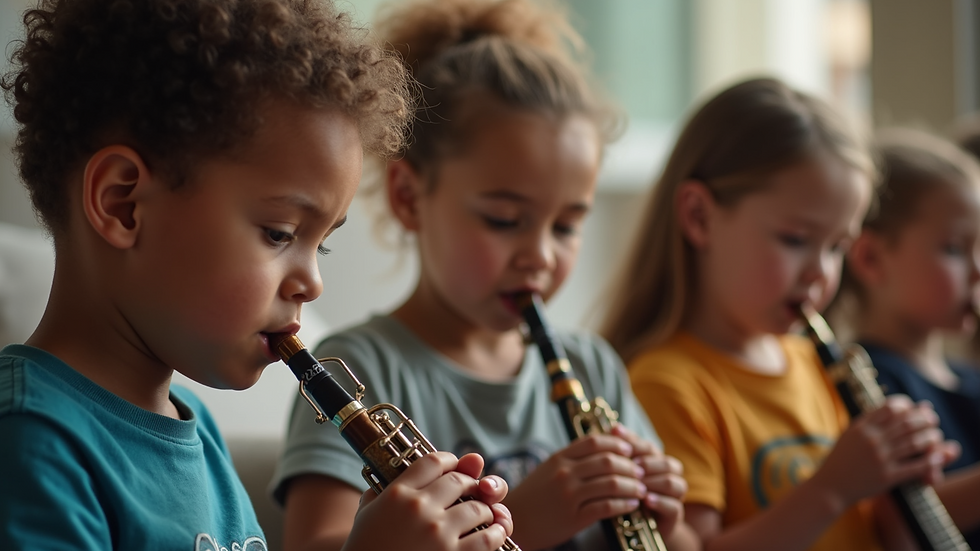
Let us strive for a future where every child can experience the joy of music, regardless of their background. Together, we can create a harmonious world through the power of music education.


Comments